

Car buyers have changed. Not only because younger generations grew up with a phone in their hand, but because the entire logic of decision-making has changed. What was still common just a few years ago — that a buyer would call, ask for details, come to see the vehicle and only then start seriously considering the purchase — is increasingly no longer working today.
Younger buyers want to complete most of the buying journey on their own. They want to compare, check, view photos, read the details, assess the offer and form an opinion before they contact a dealer for the first time. And this way of making decisions is no longer typical only of Generation Z or millennials. It is becoming the new norm for all buyers.
This is also highlighted in a detailed article by the portal Finance, while we have applied the key takeaways directly to vehicle dealers. In the first part, we focus mainly on what ads need to look like.
.
The buyer wants information first, not a conversation
The same change is taking place across many industries: buyers no longer want the first step to be a conversation with a salesperson. First, they want clear information. Only then, if the offer meets their expectations, does personal contact come into play.
In vehicle sales, this is especially noticeable. Before making a decision, a buyer often reviews dozens of ads. They compare prices, mileage, equipment, service history, photos, financing options, location and the overall impression of the dealer. If they have to call, send an inquiry or wait for a reply just to get basic information, they will often move on to the next ad.
For the dealer, this means one thing: if the information is not visible immediately, the buyer may never reach you.
.
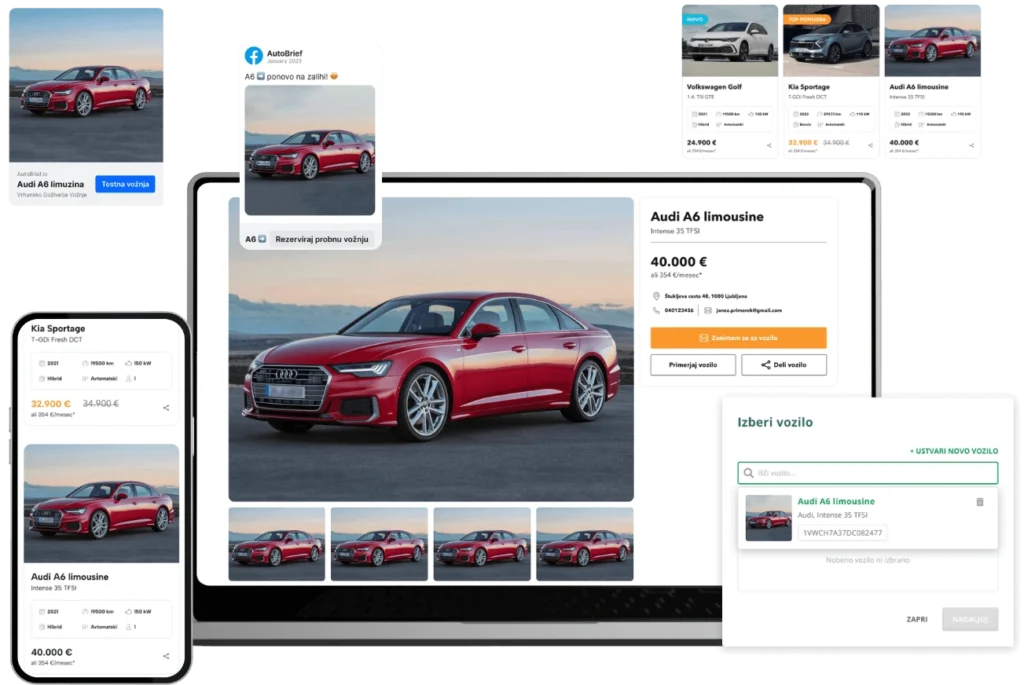
This is exactly why AutoBrief enables dealers to use the Virtual showroom – an online display space that is open 24 hours a day. The buyer can browse the entire vehicle stock independently, use filters, check key information, view photos and submit an inquiry before making a call or visiting the showroom.
For the dealer, this means less manual work and a better online experience for the buyer. Stock is updated automatically, vehicles are presented clearly and professionally, and inquiries for viewings or test drives are stored directly in AutoBrief.
.
An ad must answer questions before the buyer even asks them
A good ad today is no longer just a list of basic data. It is a digital sales consultant. Its role is to help the buyer understand the vehicle, remove doubts and guide them towards the next step. This means the ad should include as much useful information as possible: a clear price, precise vehicle details, the actual condition, an overview of equipment, high-quality exterior and interior photos, service history, financing options, vehicle location and a clear next step.
The buyer is not looking for a complete ad because they are demanding. They are looking for it because they want to reduce uncertainty.
The clearer the ad is, the fewer questions remain unanswered. And the fewer open questions there are, the closer the buyer is to making a decision.
.
Photos are not an extra. Photos sell the vehicle.
When it comes to vehicles, a photo is often the buyer’s first contact with the car. If the photo does not attract attention, the buyer may not even open the ad. That is why photos are not just an aesthetic element. They are one of the key sales factors.
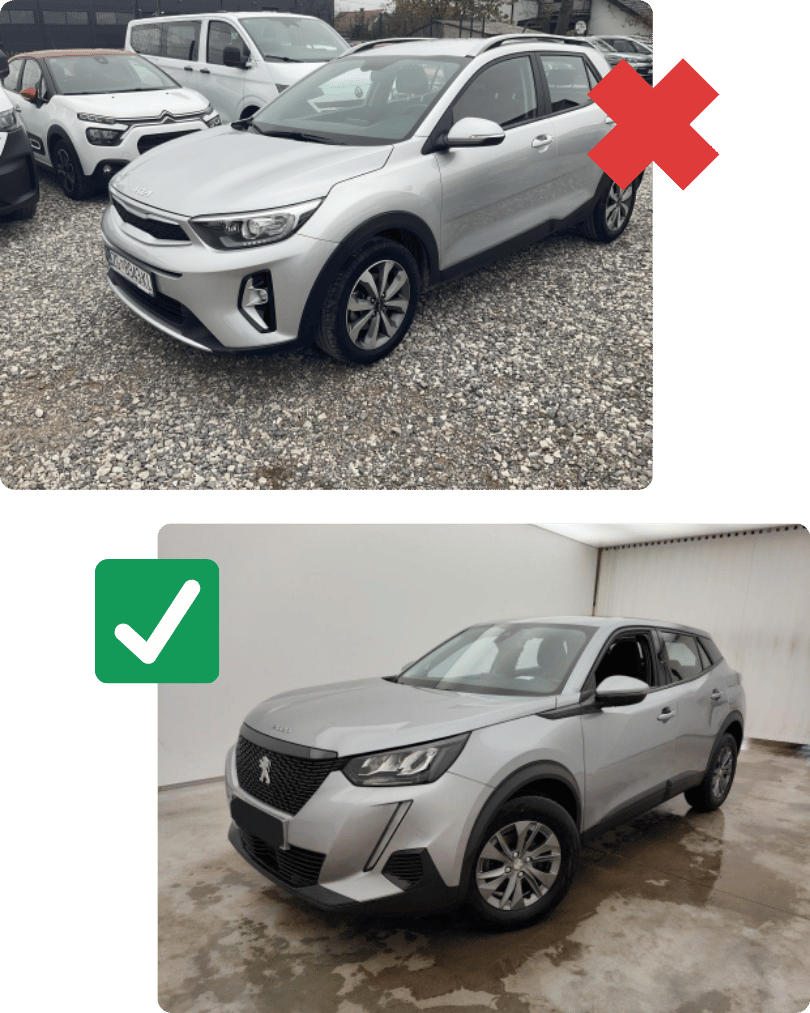
Buyers quickly notice the difference between a vehicle that has been photographed casually and one that has been presented professionally. Poor lighting, an untidy background, too few shots, a dirty interior or an inconsistent photo style all reduce trust. Not because the buyer is thinking about the photo itself, but because they draw conclusions about the dealer from it.
If the photos are untidy, the buyer asks themselves: is the vehicle just as poorly presented? Is the sales process just as disorganised? Can I trust this dealer?
Good photos do the opposite. They create a sense of professionalism, transparency and trust..
In the second part of the blog we will also show how buyers use AI and what our solutions are for responding to the expectations of younger buyers.
.
Good photos are not a coincidence. Lighting, background, a clean vehicle, the right angles and a consistent presentation style all matter. The buyer wants to get a good look at the vehicle “from a distance” first, so the ad must show the exterior, interior, details, equipment and any special features of the vehicle as clearly as possible.
If the photos answer most of the buyer’s questions, trust increases and the need for additional checks decreases. That is why we have also prepared practical tips on how to photograph a vehicle so that the ad stands out, looks professional and brings the buyer to an inquiry faster.